This creamy Miso Butter Pasta is a deliciously indulgent dinner that feels fancy – without doing anything fancy! Glossy, chewy noodles are tossed in a velvety garlicky miso cream sauce that coats every bite. It’s layered with the sweet browned onions, golden morsels of garlic, and freshly grated parmesan for a subtle nuttiness. It’s luxuriously silky and unbelievably easy to pull off in 30 minutes)!
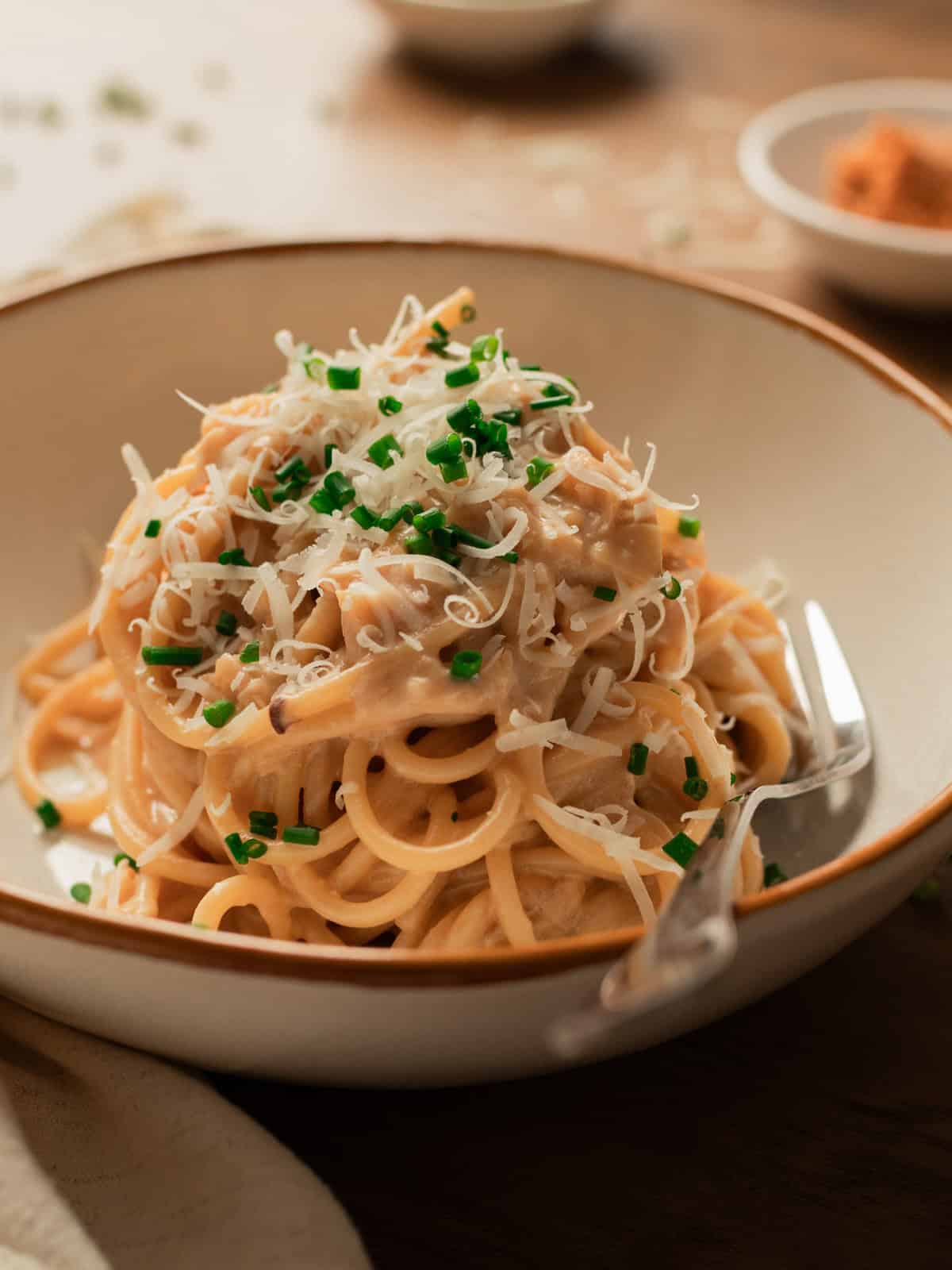
This easy Miso Pasta makes date nights or even weeknight dinners feel elevated! The key is to use a few simple key ingredients that make your dish taste restaurant quality! You just buy them once and they basically last forever.
Serve this pasta with caramelized Miso Butter Mushrooms or turn those mushrooms into my Miso Mushroom Pasta for even MORE umami! Use up your Miso Butter with gooey Cheesy Pull Apart Garlic Bread with Miso or seared Miso Butter Salmon for a full meal!
🎥 Video: Watch How to Make the Recipe
🥘 Ingredient Tips
- Noodles: I’m using regular ol’ spaghetti noodles, but easily swap it out for any of your fave dried pasta noodles (bucatini, linguine, rigatoni, etc). Udon noodles would be delicious too! Just double the noodle weight amount in the recipe when using pre-cooked noodles because dried noodles (like the spaghetti in this recipe) double in size/weight after boiling.
- Miso Paste is a fermented soybean paste with saltiness and umami. We’re using white miso paste for this miso sauce because it blends beautifully with the creamy and nutty parmesan!
- Sake: This is a key ingredient to making restaurant-quality dishes! Cooking wines like this Japanese sake is commonly used to enhance the flavors in sauces (like in Mentaiko Pasta) and marinades (like in teriyaki chicken or teriyaki salmon). It deglazes the pan to get all those browned bits from caramelizing the onions and adds a subtle sweetness to the sauce!
- Dashi Powder: Just like chicken stock & chicken bouillon adds umami to food, so does this Japanese soup stock! It’s in powdered form & made of dried kelp, bonito flakes, and sometimes other ingredients like dried shiitake mushrooms. Buy it once & keep in the pantry basically forever!
- Heavy Cream: This creates richness & creaminess for the base of our sauce.
- Parmesan: This gives the miso sauce an extra creaminess with a subtle nuttiness that compliments the miso paste.
- Lemon: A spritz of fresh lemon juice at the end is a MUST! This miso butter sauce is SO delicious as is, but she’s rich (almost as rich as I hope to be one day ;)) & can feel heavy after a few bites. A little drizzle of lemon brightens & balances the miso pasta to cut through the rich creaminess and saltiness for an irresistible dish you HAVE to keep going back for!
For full ingredient list & measurements, see recipe card below.
🔪 How to Make Miso Pasta
Step 1. Boil Noodles & Mix Dashi Stock. Boil salted water & pasta according to package directions. Remember to reserve some of the pasta water, then drain the noodles and set them aside.
Whisk together the reserved pasta water and dashi powder until it’s dissolved, then set aside.
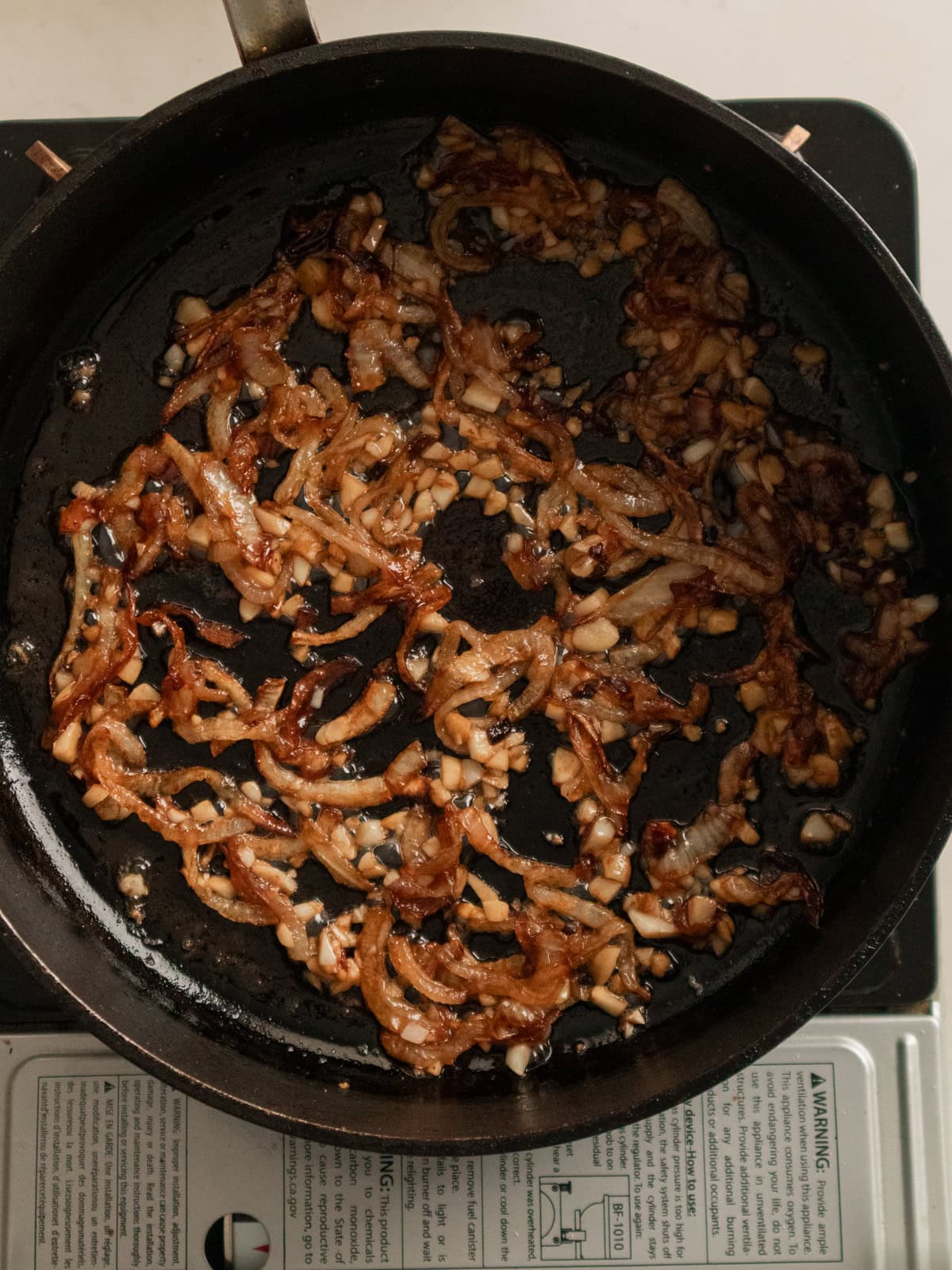
Step 2: Cook Aromatics. Heat a large pan or skillet on medium, add butter and onions. Saute for about 5-10 minutes, or until soft and golden, stirring occasionally. Pour in the light soy sauce along the edges of the pan to create a char. Quickly mix together until the onions have absorbed the soy sauce.
Add the garlic, cook for a few seconds until soft and fragrant, then pour in sake to deglaze any browned bits in the pan. Continue to stir and cook for about a minute to cook off the alcohol.
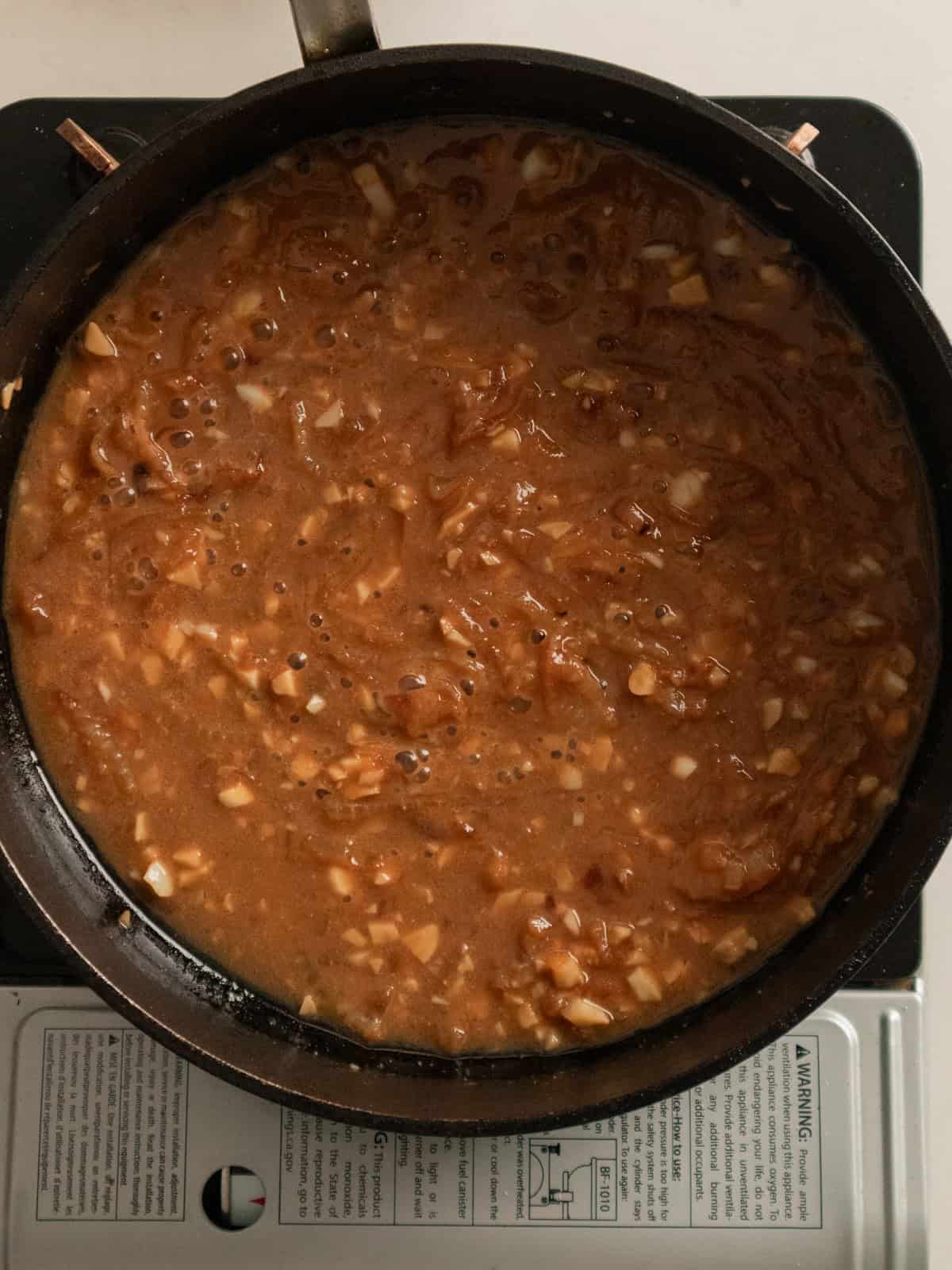
Step 3: Reduce Dashi Stock. Pour in the dashi stock and simmer for another 10 minutes or until the stock has reduced by half, stirring occasionally so the garlic doesn’t burn.
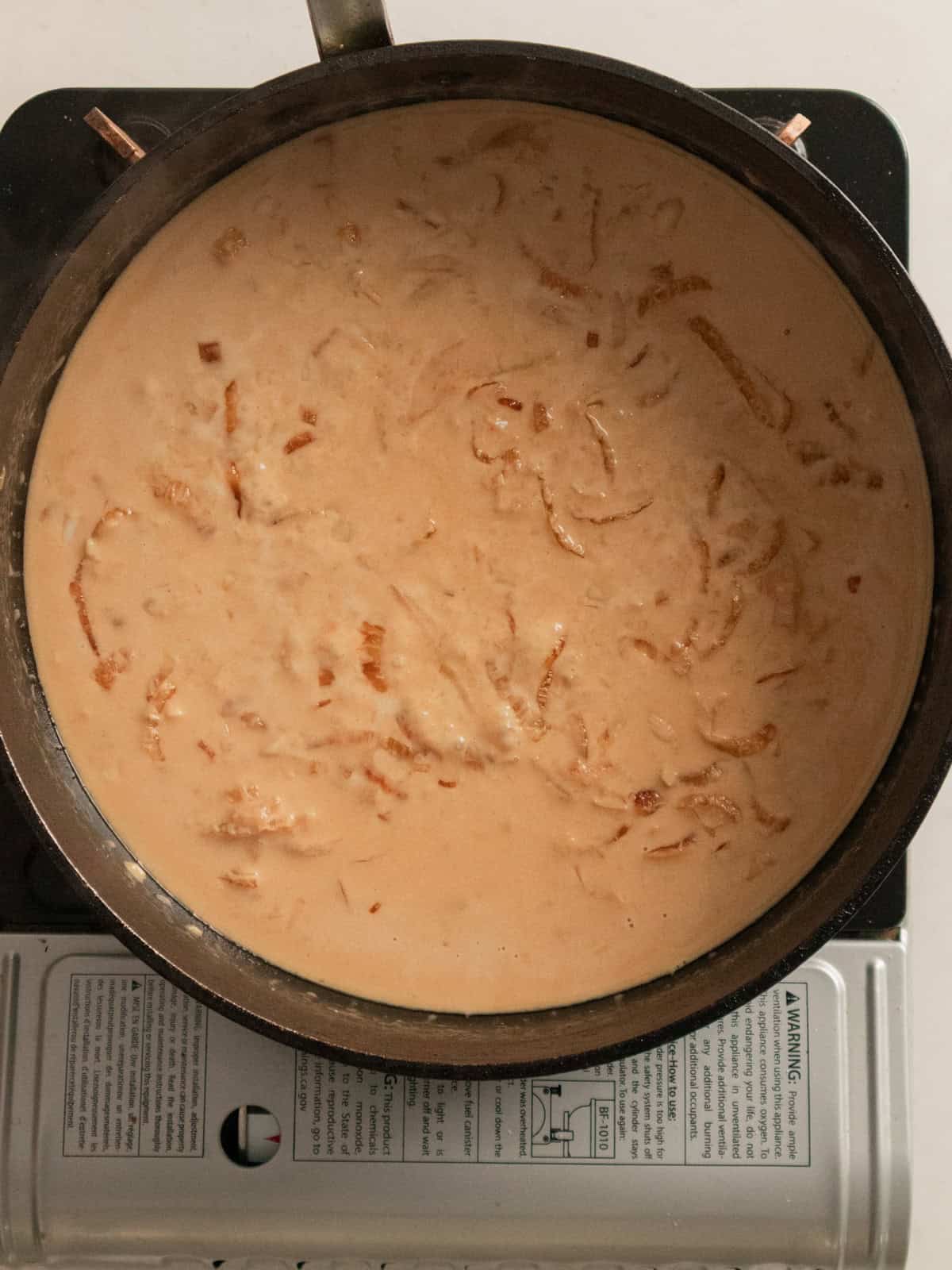
Step 4: Finish Miso Sauce. Stir in miso paste until it’s dissolved, then mix in the heavy cream and parmesan cheese. Continue to stir until the cheese dissolves and reduce the heat if needed so the sauce doesn’t boil, otherwise, you may get a grainy sauce!
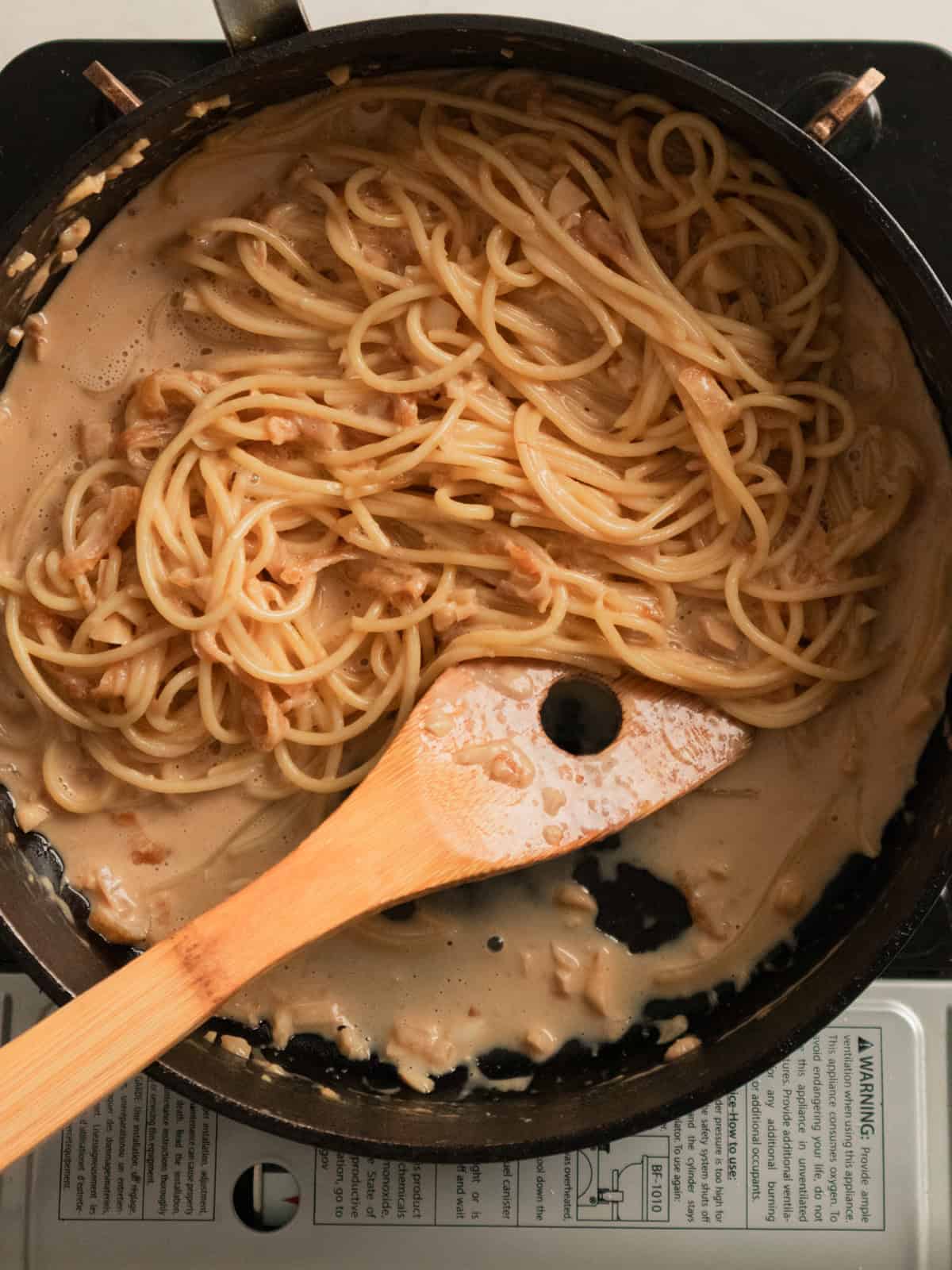
Step 5: Toss Noodles in Sauce: Add the pasta into the miso sauce and toss until well coated. Turn off the heat, drizzle fresh lemon juice, give it a final few tosses, then transfer to a serving plate with extra lemon wedges.
If you’re feeling fancy, garnish with furikake, shredded nori, or chives. Enjoy!

👩🏽🍳 Key Tips
- Cook Pasta Al Dente: Boil your pasta until it’s just al dente, then let it finish cooking right in the miso sauce. That way, the noodles soak up all that savory, umami-rich goodness without turning bloated or mushy.
- Add Lemon at the End: This miso cream sauce is incredibly luscious, but it can be a little rich without balance. A little spritz of lemon juice brightens up the pasta to cut through the creamy and salty flavors! Add this once you’ve turned off the heat so that fresh flavor doesn’t cook off!
💭 Recipe FAQs
🥢 More Miso Recipes You’ll Loves
Love miso?? Same. Let’s jump into the miso sparkled rabbit hole together, shall we?
Let’s cover the bae-sics with good ol’ Miso Butter that’s ready to be slathered, melted, stir-fried, and tossed on just about anything for an instant upgrade! Get your veggies in with hearty caramelized Miso Butter Mushrooms or oven roasted Miso Cauliflower.
Miso & salmon are like bonnie & clyde – two baddies made for each other. Like my pan-fried Miso Butter Salmon, or try my lighter alternative of Air Fried Miso Salmon, or a comforting umami-pack soup called Miso Salmon Sinigang.
And we’d neverrrr forget the carbs! Gooey Cheesy Pull Apart Garlic Bread (with miso) that’s a party fave! Or simply take this miso pasta recipe and transform it to my Miso Mushroom Pasta with golden seared shiitake mushrooms for an even MORE umami-packed dinner!
🥗 What to Serve with Miso Pasta


Let’s get cooking!
Get into my secret stash of Goody-Packed Newsletters with meals planned for you & time-saving tips! Want step-by-step videos of how to make my recipes too? I gotchu over at my youtube channel. Aight, enough chatting, more eating!
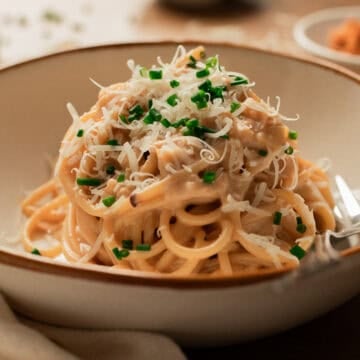
Creamy Miso Butter Pasta
Ingredients
- 4 ounces uncooked spaghetti*
- 1 cup pasta water
- ½ teaspoon dashi powder
- 2 tablespoons unsalted butter
- ½ medium onion thinly sliced
- 1/2 tablespoon low-sodium soy sauce
- 7 garlic cloves minced
- 2 tablespoons sake
- 1 ½ tablespoon white miso paste
- 1/2 cup heavy cream
- 2 tablespoons parmesan cheese freshly grated
- 2 ½ – 3 teaspoons lemon juice
- chives chopped, optional for garnish
Instructions
- Boil a large pot of water and cook the spaghetti noodles according to the package’s instructions. Reserve pasta water, then drain noodles. Stir together pasta water & dashi powder, then set aside.
- Add butter & onions. Cook for about 10 minutes, or until golden and caramelized, stirring occasionally. Add garlic, sauté for a few seconds until soft and fragrant. Then pour in soy sauce along the edges of the pan to create a char then stir to combine.
- Pour sake and stir to deglaze any browned bits from the pan. Cook for about a minute until the alcohol has evaporated.
- Pour in dashi pasta water, stir, then cook until the stock has reduced by half, stirring occasionally.
- Add miso paste and stir until dissolved. Add heavy cream and parmesan cheese. Stir and cook until the cheese has melted. Reduce the heat if needed so the sauce doesn’t come to a boil, otherwise, your sauce may have a grainy texture. Taste & adjust seasonings if needed.
- Add pasta to the sauce and stir until well combined. Turn off heat, spritz with lemon juice, give it a final toss, then transfer to a serving plate. If you’re feeling fancy, garnish with extra grated parmesan and furikake, shredded nori, or chives. Enjoy!
Notes
- Noodles: Feel free to swap spaghetti noodles for any of your fave dried pasta! You could also swap for udon noodles, but if you use pre-cooked noodles (like udon noodles), double the noodle weight in the recipe.
- Dashi Powder: This is a Japanese stock you can find at local Asian or Japanese markets or online.
- Sake: This Japanese cooking wine is what makes this pasta dish restaurant-quality! Find it at Asian or Japanese markets.
- Lemon Juice: This pasta sauce is rich, so a drizzle of lemon is a must to balance the creaminess and saltiness in the sauce!
Nutrition
Exact calculations may vary. For the most accurate nutritional information, use your preferred nutrition calculator, actual ingredients, and quantities used for the recipe. Please consult with your physician or registered dietitian if more precise nutrition calculations are needed for health reasons.